West U vs Bellaire Homes: Lots, Design & Lifestyle
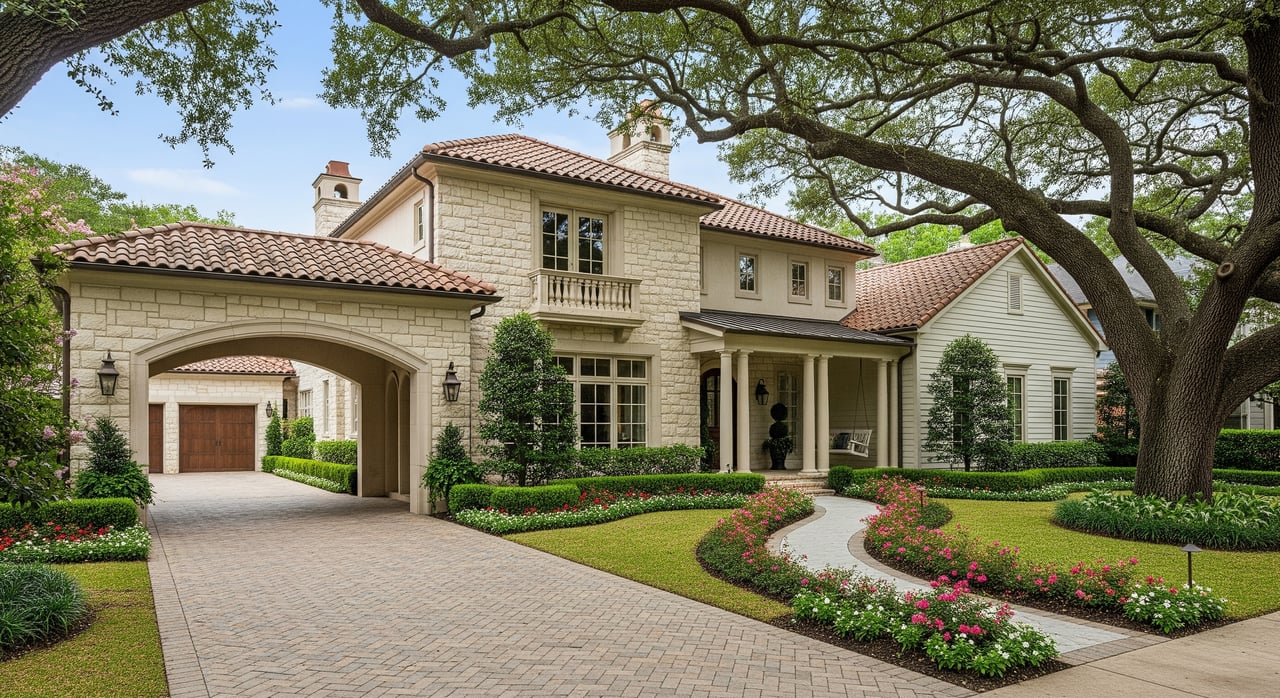
Choosing between West University Place and Bellaire can feel like splitting hairs. Both sit close to the Texas Medical Center and Rice University, both offer strong community identity, and both give you that in-town convenience many families want. Still, the lot sizes, home footprints, and daily rhythm feel different once you’re on the block. In this guide, you’ll learn how lot geometry shapes the homes you see, what architectural styles are common, and how everyday life tends to flow in each city so you can choose with confidence. Let’s dive in.
You’ll commonly find single-family lots around 4,000 to 9,000 square feet. Many older plats measure roughly 50 feet wide by 100 to 150 feet deep, and 40 to 50-foot widths are not unusual on historic blocks. These proportions often point to narrower two-story plans and rear or alley-access garages where available.
Bellaire shows more variety. Many traditional lots run about 7,500 to 15,000-plus square feet. Classic parcels often measure around 75 feet wide by 120 to 125 feet deep, and some older plats are closer to 100 feet by 100 feet. You will still see 50-foot-wide lots in certain subdivisions, but wider parcels are more frequent, which opens up lateral house plans and larger rear yards.
Both cities use municipal development codes that regulate setbacks, height, and structures. While exact numbers vary by zone, typical patterns across inner suburbs include front setbacks in the mid-20-foot range, side setbacks that can be narrow on interior lots, and rear setbacks of about 10 to 20 feet. The takeaway is simple: a small difference in side setback or a required front line can determine whether a side-entry garage or a wider single-story plan is feasible.
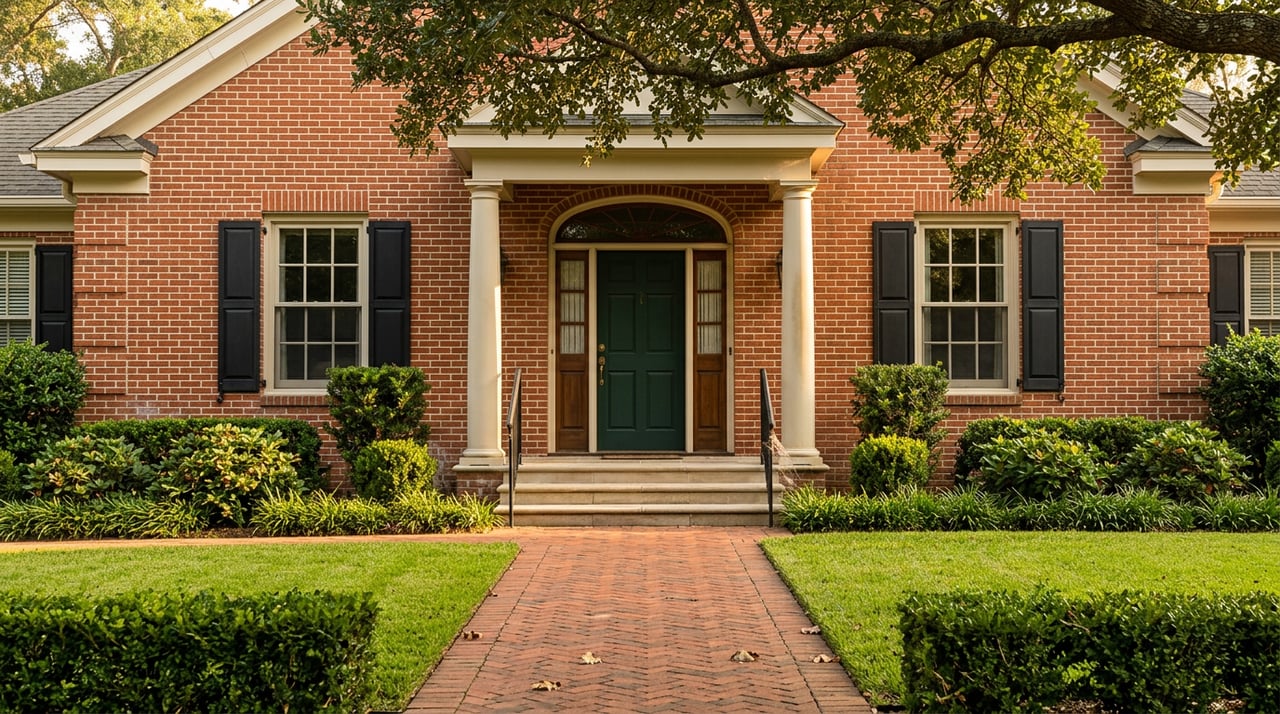
Both cities saw early to mid-20th-century development, followed by steady infill and custom rebuilds. In West U, many original bungalows and cottages from the 1920s to 1950s have been replaced by larger two-story homes over the past two decades. Bellaire also has older ranch and mid-century homes, along with substantial infill. Some pockets retain a classic ranch feel while other blocks showcase larger custom builds.
West U is highly residential with tree-lined streets and sidewalks throughout much of the city. Walking and biking for quick errands, coffee, and school drop-off are part of the local pattern. Parks and small civic spaces are woven into the grid, which keeps street life active at predictable times.
Bellaire also offers residential blocks with sidewalks and canopy trees, but it sits alongside more auto-oriented commercial corridors. Families still walk to parks and some retail, yet more errands may involve a short drive depending on the block. Larger parks and community facilities often host events that draw residents on weekends and evenings.
In West U, small commercial nodes near city borders and nearby destinations like Rice Village support quick stops for daily needs. In Bellaire, commercial activity lines corridors such as Bellaire Boulevard and Bissonnet, which can bring more visible traffic during peak times but also provide a wider mix of services.
Both cities maintain parks and playgrounds that act as community hubs. West U’s smaller, frequent parks encourage daily use, from morning jogs to afternoon playtime. Bellaire’s larger parks and venues support weekend events and organized activities that bring neighbors together.
Rush-hour congestion gathers on the same major corridors in both cities. Internal residential streets are typically quieter, but the time it takes to reach your freeway or collector road can vary by block. If commute stress is a factor, consider where you work and how school drop-off or extracurricular drives align with your chosen block.
West U’s tighter lot spacing brings neighbors closer. On blocks with many newer two-story homes, second-floor windows can reduce backyard privacy for adjacent homes. Bellaire’s frequent wider lots and deeper setbacks often allow greater separation, which can enhance privacy and natural light.
Both cities include parcels that have experienced flooding during extreme events. Flood risk is highly parcel specific. Lot elevation, drainage patterns, and finished floor height matter more than the city name. Before you write an offer, plan to review maps and past history for the specific address, and understand how drainage easements and stormwater infrastructure could affect insurance and day-to-day peace of mind.
Pick West U if your priority is everyday walkability to local shops and parks, a close-knit street edge, and a predictable daily rhythm. Compact lots and continuous sidewalks tend to support a morning-and-afternoon routine built around school, coffee, and park time.
Lean toward Bellaire if you want larger private outdoor space, room for a pool or sport court, and flexibility for side-entry garages or broader single-story plans. The wider lots often make backyard privacy and outdoor amenities easier to achieve.
Use this simple checklist during tours:
You do not need to decide this alone. A block-by-block look at lot width, build envelope, and daily patterns will clarify your best fit quickly. For a calm, detailed process that matches your lifestyle to the right home, connect with Ed Wolff for a personalized consultation.
Stay up to date on the latest real estate trends.
September 17, 2026

September 10, 2026
September 3, 2026
August 27, 2026
August 20, 2026

August 13, 2026
August 6, 2026
August 6, 2026
July 23, 2026