Washington Avenue Isn't Losing Its Nightlife. It's Losing Its Crowds.
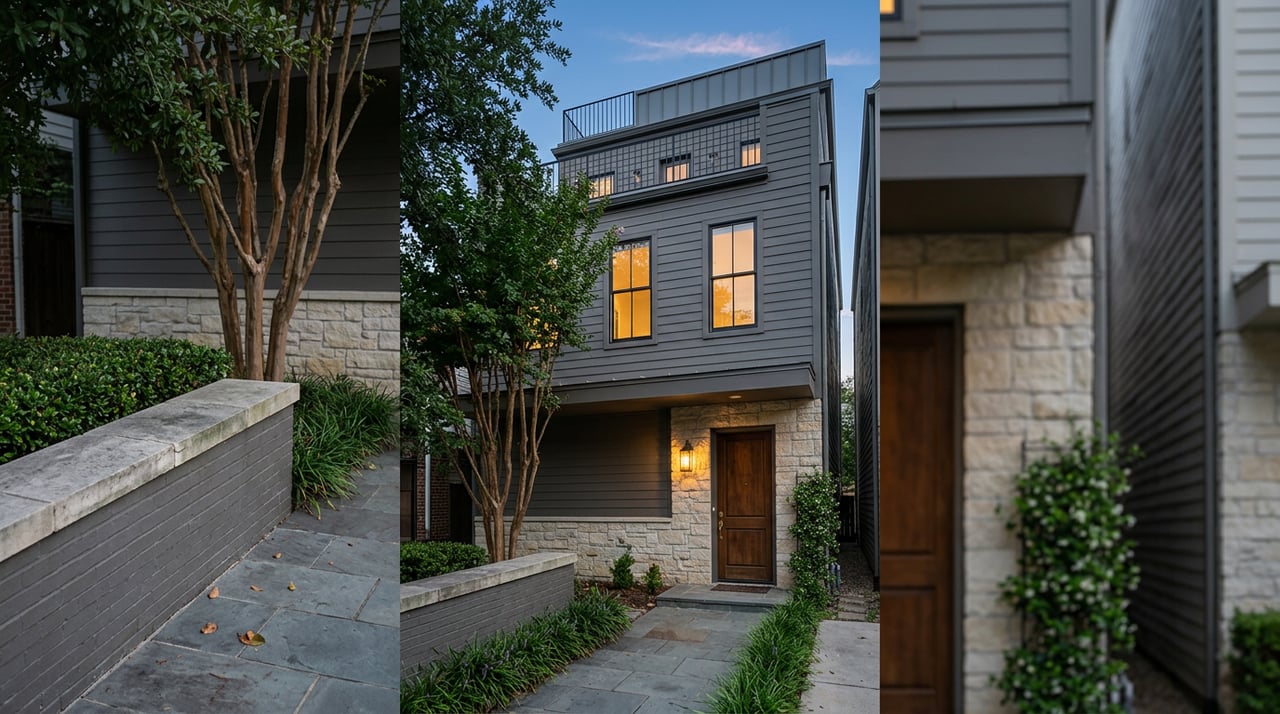
Walk the stretch of Washington Avenue that borders Rice Military on a Tuesday night and you will pass at least two dark storefronts with paper still taped over the windows. You will also pass a line outside a place that did not exist a year ago. Both of those things are true at the same time, and neither one tells the whole story on its own.
The easy read, the one that has been circulating on TikTok and in Nextdoor threads for months, is that Washington Ave is dying. A viral clip of a Houstonian walking up to a locked door at Clutch Bar for what should have been Sunday brunch summed up the mood well enough that the Houston Chronicle wrote about the vibe shift directly, asking whether the strip's run as a nightlife destination was over. That framing is not wrong, exactly. It is just aimed at the wrong question. The corridor is not disappearing. It is getting smaller and more specific, and if you live a few blocks off it in Rice Military, that distinction is the one that actually affects your Friday night.
Here is what has actually closed on or immediately off Washington Avenue in 2026, in the order it happened:
Five names, five different reasons on paper, but a pattern underneath them. Platypus and Good God Nadine's were not struggling concepts. One had a decade of loyalty behind it. The other had just built a following. Both went out on a lease or ownership decision that had nothing to do with whether people wanted to keep showing up. That is a different story than a strip losing its appeal. It is a strip where the economics of holding a storefront on Washington Avenue have shifted underneath businesses that were otherwise working.
The replacements tell you more than the closures do. Clutch Bar's old address is now Harold's Chicken & Sports Bar, a Chicago-import wing concept from Houston-based Provaré Restaurant Group Hospitality that opened with a grand opening weekend in early March. A few blocks over on Henderson Street, restaurateur Ashley Bell took the space she had run since 2023 as Hendo's and rebuilt it from the studs as The Bell and Crane, an "elevated dive bar" with neon lighting, maroon paint, and a martini list that includes a cherry tomato and basil riff alongside the usual bar standards. Newer entries like XO Eats + Entertainment, tucked onto the second floor at 5023 Washington with multiple rooms, two patios, and a built-in speakeasy, are betting on the idea that people will come for a full evening in one building rather than bar-hopping down the strip.
None of these are trying to be the next Clutch Bar. They are not built around the same volume of foot traffic or the same late-night turnover. They are single, deliberate concepts that ask you to choose them specifically, which is a different business model than a strip of interchangeable clubs competing for whoever happens to be walking by at 11 p.m.
The Chronicle's reporting on the shift points to a few forces stacking on top of each other rather than one clean cause. Rents on the corridor have climbed. Homeowners in the residential blocks that back up against Washington Avenue, which includes the edges of Rice Military itself, have pushed for enforcement against noise and reckless driving tied to the bar crowd. And starting in 2024, the city's own enforcement posture toward the strip tightened, with increased police presence specifically targeting the corridor's nightlife behavior.
None of those pressures are unique to any one bar. They fall hardest on venues that depended on a specific kind of customer: the person driving in from outside the Loop for a night built around bottle service and a line at the door. That is a real customer base, and Washington Avenue built its reputation on serving it ever since the corridor's entertainment district took shape in the late 2000s. But it is also the customer base most sensitive to friction, whether that friction shows up as a rent increase, a parking crackdown, or simply a Tuesday night where the crowd that used to be guaranteed does not materialize the same way.
Here is the detail that the closures-and-openings list does not capture on its own: none of this touches the restaurants that were never trying to be part of the club scene in the first place. Tio Trompo, known around the neighborhood for the rotating spit it uses for al pastor, is still a few blocks off the same stretch of Washington. Laredo Taqueria still runs as the daytime taco stop locals rely on regardless of what else is happening on the strip that week. Burger Bodega's smashburger menu, Polanquito's regional Mexican plates on the Rice Military side, these places were built to serve the neighborhood that lives here, not the crowd that drives in on weekends. They are not part of this story because they were never competing in the same market as Clutch Bar or Handlebar.
That is the actual shape of what is happening. Washington Avenue is not one corridor losing its identity. It is two overlapping corridors that used to be harder to tell apart, a nightlife strip built for visitors and a food scene built for residents, and the visitor-facing half is the one absorbing the pressure right now. Fortune Eight, the wok-fired Chinese restaurant that opened on Washington in June, is a small but telling data point in the same direction. It is a sit-down restaurant serving Kung Pao chicken and walnut shrimp, not another club chasing the same late-night crowd that has been thinning out.
If you are already in Rice Military, the practical version of all this is fairly simple. The nights when Washington Avenue turned into a parking and noise problem because of Outer Loop traffic heading to a strip of clubs are becoming less frequent, not because the street emptied out, but because fewer venues are built around that exact model. What is replacing them tends to be smaller in footprint and more specific in what it is asking you to show up for, which in practice means less random overflow foot traffic on a given Tuesday and a slightly different Friday than the one you might remember from five years ago.
It also means the neighborhood-facing side of the food scene, the taco spots and the smashburger counter and the family-run Mexican kitchen that never depended on the club crowd to begin with, is largely unaffected by any of this. If your read on Washington Avenue has been shaped by headlines about the strip dying, the more accurate version is narrower and less dramatic. One kind of business on that street is under real pressure. Another kind, the one you probably actually eat at during the week, is not part of the same story at all.
Understanding which half of a street is under stress and which half is stable is the same skill that matters when you are trying to read a neighborhood's trajectory for any reason, not just curiosity about where to grab dinner. Beth Wolff Realtors has spent decades reading Houston blocks this closely, house by house and storefront by storefront, for buyers and sellers who want more than a median price and a guess. If you are weighing a move in or around Rice Military and want a clearer picture of what is actually happening on the ground here, reach out and we will walk through it together.
Stay up to date on the latest real estate trends.
October 8, 2026
October 1, 2026
September 24, 2026
September 17, 2026

September 10, 2026
September 3, 2026
August 27, 2026
August 20, 2026
August 13, 2026