Montrose Houston Lifestyle Guide for Weekend Living
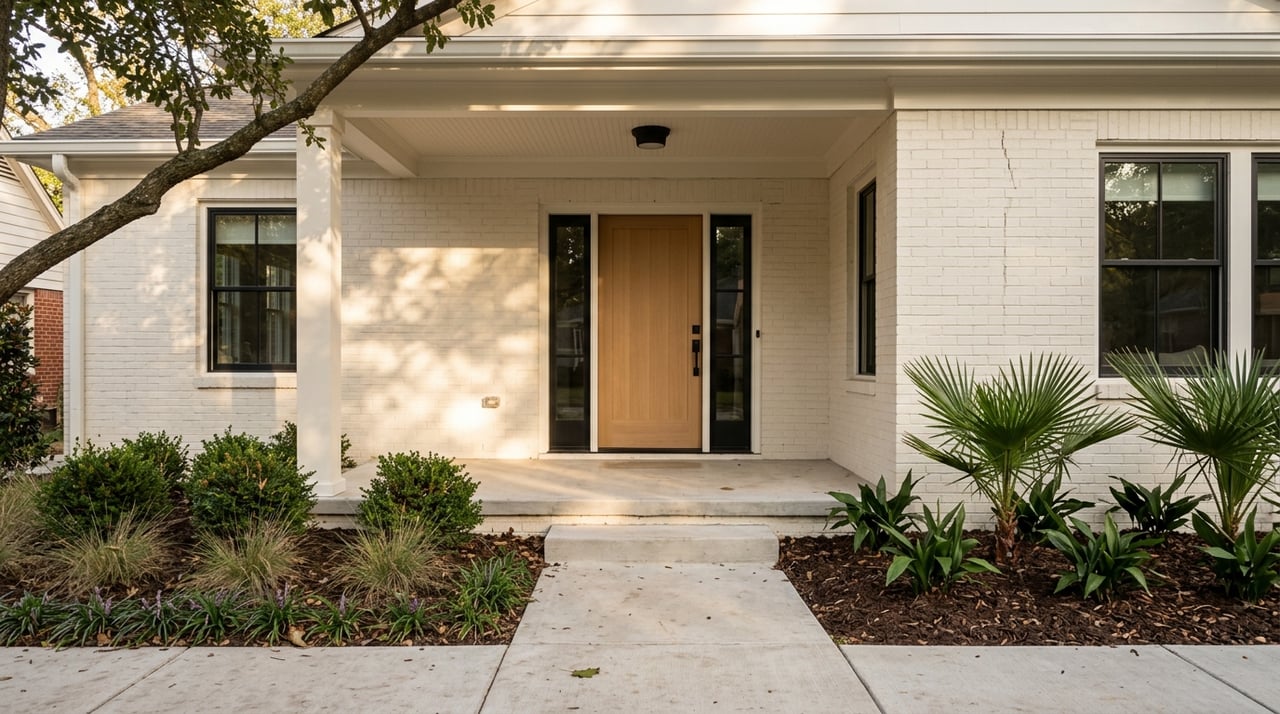
Looking for a Houston neighborhood that feels active, creative, and easy to enjoy over a single weekend? Montrose often stands out because it blends walkable pockets, a strong café and dining scene, art institutions, and a wide mix of home styles in one central-Houston setting. If you are considering a move or simply trying to picture daily life here, this snapshot will help you understand how Montrose lives from morning coffee to evening dinner. Let’s dive in.
Montrose is best understood as an approximate central-Houston district just west of downtown rather than a place with one fixed boundary. Its identity comes less from exact lines on a map and more from the way its streets, shops, homes, and cultural landmarks work together.
The neighborhood began as a planned streetcar suburb established in 1911 by J.W. Link. Over time, it evolved into an eclectic urban district known for architectural variety, arts institutions, and a pedestrian-friendly feel on many blocks.
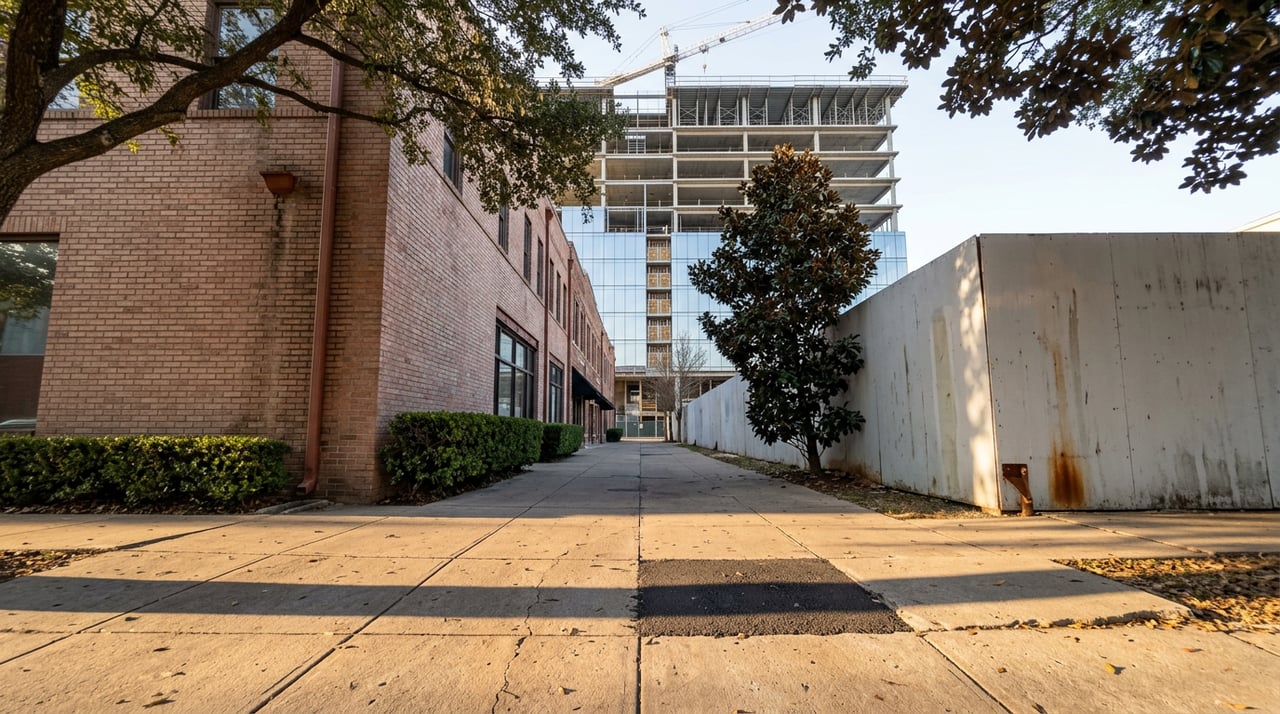
Today, Montrose is widely recognized as one of Houston’s denser and more commercially vibrant neighborhoods. That helps explain why a weekend here can feel full without requiring much driving.
A typical Montrose weekend often starts with coffee, brunch, and a little time to linger. The neighborhood has enough cafés and breakfast spots that your morning can feel relaxed rather than scheduled.
Visit Houston describes Montrose as a good place for coffee and people-watching, which fits the area’s casual, social rhythm. If you like a café where you can settle in, Agora on Westheimer is open daily from 9 a.m. to 2 a.m. and offers Wi-Fi, making it a natural stop for a slow morning or a few hours of reading and catching up.
Brasil on Dunlavy is another easy example of the neighborhood’s weekend flow. It serves weekday breakfast and weekend brunch from 8 a.m. to 2 p.m., which makes it a convenient choice if you want a morning that turns into an unhurried lunch.
One of Montrose’s biggest lifestyle advantages is how easily a meal or coffee can turn into an afternoon out. You are not choosing between culture and outdoor time here. In many cases, you can do both in the same stretch of the day.
The Menil Collection is one of the clearest anchors for neighborhood life. Its campus sits within a residential setting and includes art buildings and green spaces, and admission is always free.
That setup gives Montrose a more everyday relationship with art. Instead of feeling like a special trip across town, a visit to the Menil can feel like part of a normal Saturday.
Visit Houston also pairs the Menil with the Rothko Chapel as key stops for art lovers. If you enjoy neighborhoods where culture is built into the landscape, Montrose makes that easy to picture.
Montrose’s creative side is not limited to one institution. Art League Houston on Montrose Boulevard offers exhibitions, classes, workshops, public art, and outreach programs, with gallery hours daily from 9 a.m. to 5 p.m.
That matters because it reinforces the neighborhood’s working creative identity. Art here is not only something you look at. It is also something made, taught, and shared at the street level.
If you want outdoor access, Buffalo Bayou Park is one of the strongest nearby amenities. The 160-acre park just west of downtown includes gardens, native landscaping, hike-and-bike trails, public art, picnic areas, and the Johnny Steele Dog Park near Montrose Boulevard and Allen Parkway.
Closer to the neighborhood fabric, Ervan Chew Dog Park on Dunlavy adds another option for residents who want a quick outdoor stop with their dog. Together, these spaces help balance Montrose’s denser urban character with room to get outside.
By evening, Montrose shifts naturally from daytime wandering to dinner and drinks. One reason the neighborhood appeals to so many in-town buyers and renters is that you can move from casual to polished without leaving the area.
Visit Houston highlights a broad mix of dining options in Montrose, including The Pit Room, Citizens of Montrose, Brasil, Alora, and ChòpnBlọk. That range supports a neighborhood routine where a casual lunch, happy hour, and a more refined dinner all feel close at hand.
If you are picturing a date night or an evening out with friends, Uchi identifies its Houston location as being in Montrose, and Rosie Cannonball on Westheimer adds another well-known dinner option with European comfort food. The result is a weekend pace that feels flexible rather than repetitive.
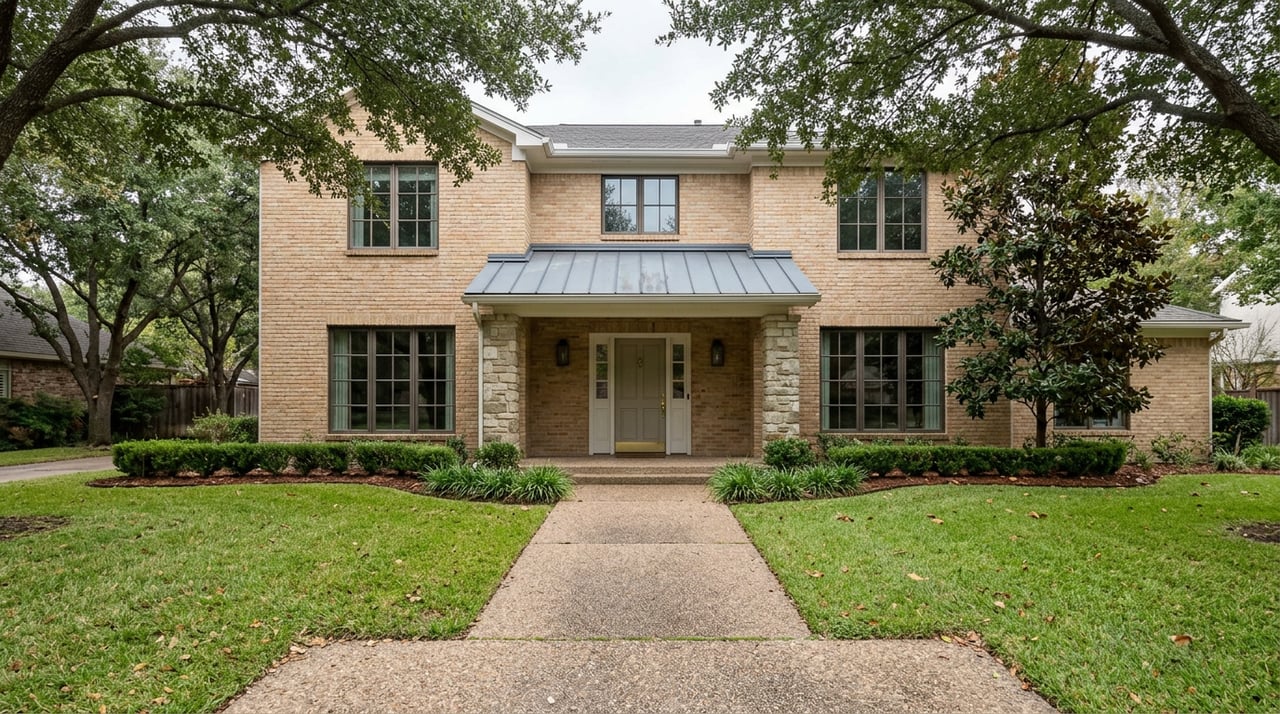
For buyers, Montrose’s housing mix is one of its most important features. This is not a neighborhood with one dominant housing type or one architectural era.
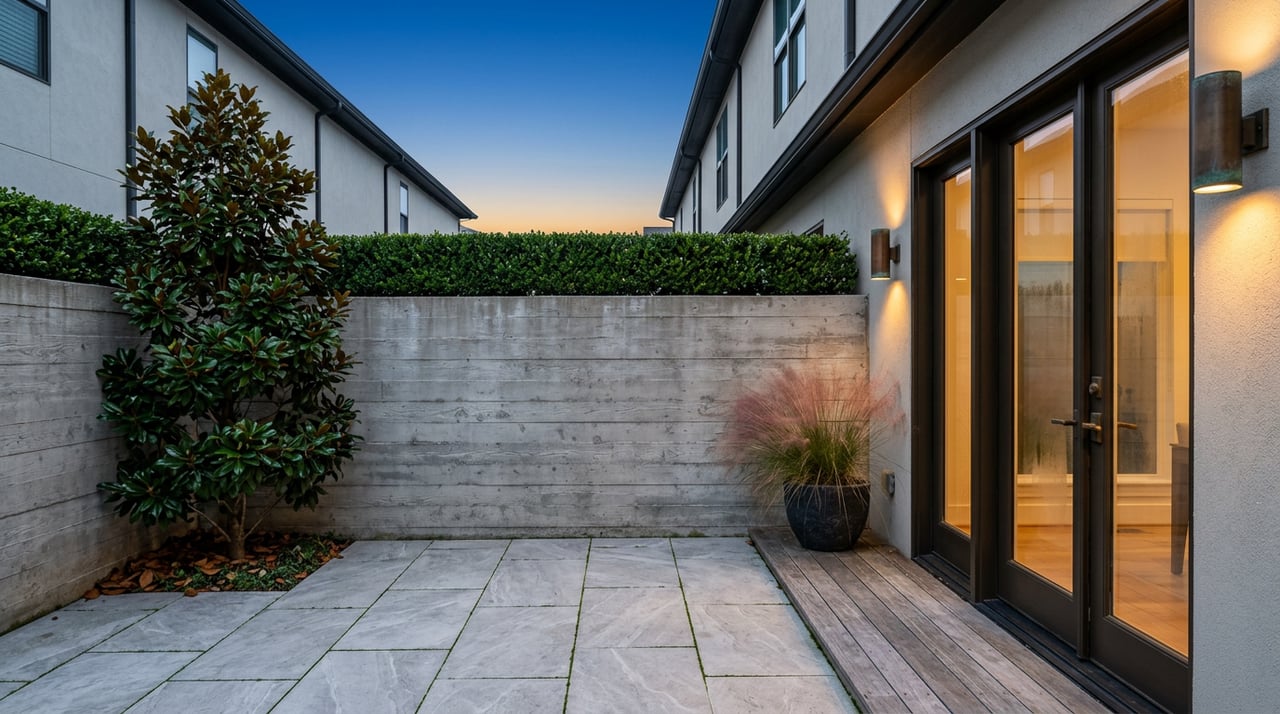
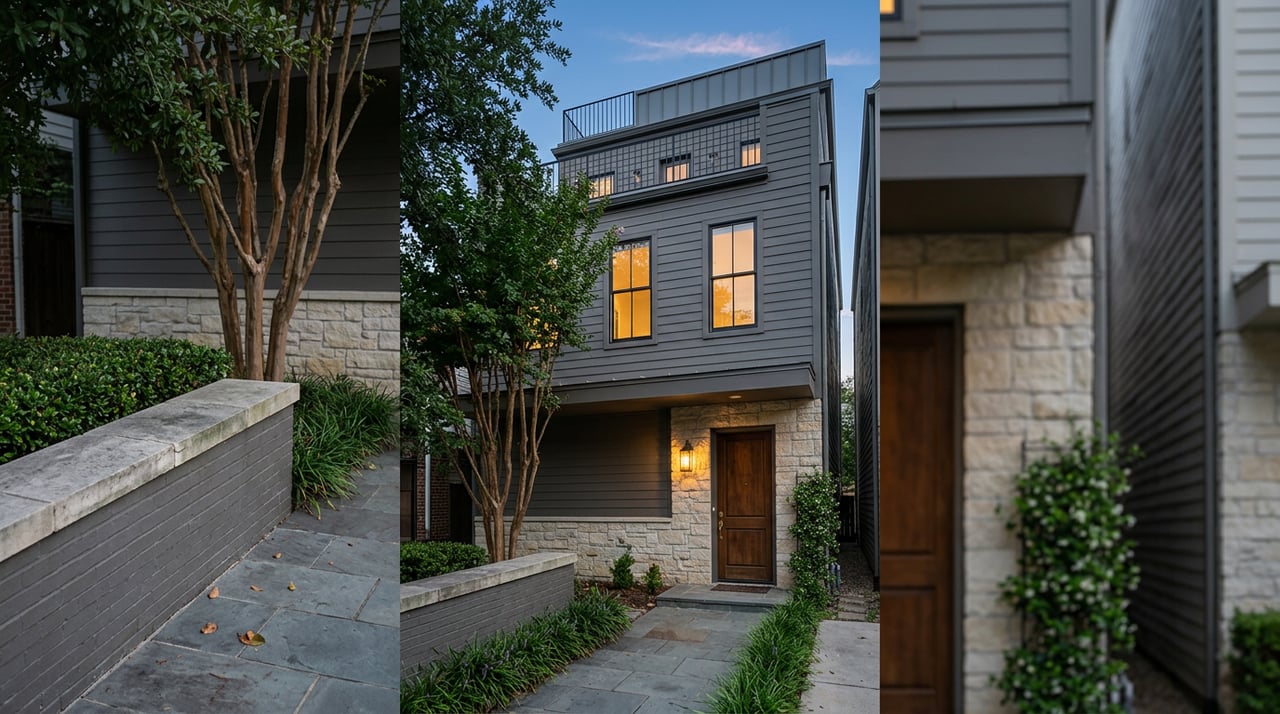
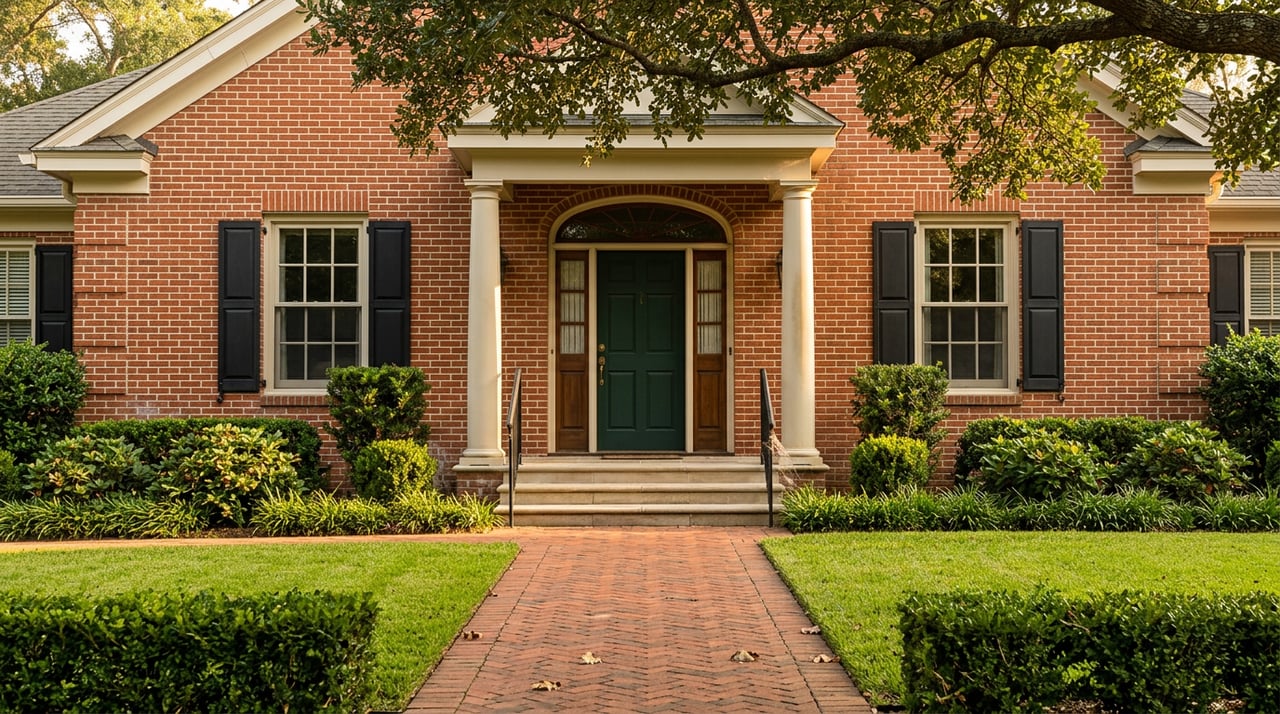
The area includes historic bungalows, older mansions, early apartment buildings, townhomes, lofts, patio homes, and newer infill housing. That variety is a major part of Montrose’s appeal because it gives the neighborhood a layered, lived-in feel.
City of Houston materials on First Montrose Commons describe the district as originally mostly single-family homes, including Craftsman, Prairie, and Colonial Revival styles. They also note that early apartment buildings were added between 1920 and 1940.
That history still shapes the streetscape today. On some blocks, you may see older homes and smaller apartment buildings, while nearby areas show more recent townhome or infill development.
If you are drawn to Montrose, you are likely prioritizing access and atmosphere over large lots or a quiet suburban feel. Research from the American Planning Association and Rice Kinder Institute supports that framing, describing Montrose as walkable, dense, architecturally varied, and commercially vibrant.
In practical terms, Montrose tends to suit buyers who want to be near food, culture, and central-Houston activity. Walkability can feel stronger on some blocks than others, but the overall lifestyle remains more urban than purely residential.
Montrose tends to attract people who want a socially active, in-town routine. The combination of cafés, restaurants, art spaces, and nearby parks creates a neighborhood where you can build a full weekend without much planning.
For some buyers, the draw is the architecture and history. For others, it is the ability to start with coffee, spend time outdoors or at a gallery, and end the day with dinner nearby.
This kind of neighborhood can be especially appealing if you are relocating to Houston and want an area that quickly helps you feel connected to the city. Montrose offers a strong sense of place because its daily life happens out in the open, across restaurants, green spaces, and cultural stops.
A neighborhood search is rarely just about square footage. It is also about whether the area fits the way you want to spend your time.
Montrose stands out because it offers both history and a current urban energy. You can see that in its blend of older homes and newer infill, its free art campus and working gallery spaces, and its easy shift from café mornings to dinner evenings.
If that balance sounds like your style, Montrose deserves a closer look. And if you want help comparing Montrose with other in-town Houston neighborhoods, working with a brokerage that knows the nuances block by block can make the process much clearer.
If you are exploring Montrose or planning an in-town Houston move, Beth Wolff Realtors can help you navigate neighborhood options with the local insight and personalized service that make a difference.
Stay up to date on the latest real estate trends.
October 15, 2026
October 8, 2026
October 1, 2026
September 24, 2026
September 17, 2026

September 10, 2026
September 3, 2026
August 27, 2026
August 20, 2026