Tanglewood For Move-Up Buyers From The Suburbs
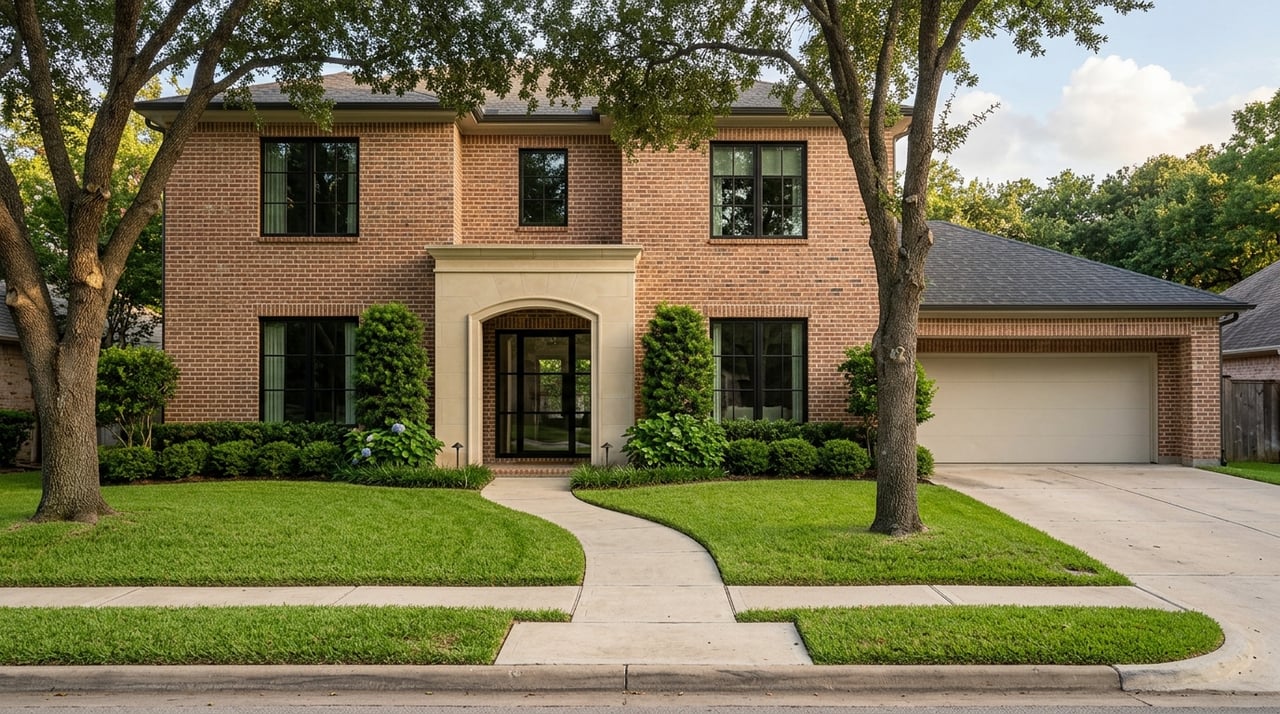
If you have outgrown the suburbs but still want space, privacy, and a polished residential setting, Tanglewood may be worth a closer look. For many move-up buyers, the challenge is finding a neighborhood that feels established and refined without giving up everyday convenience. In Tanglewood, you can get a more central Houston address, larger homesites, and close access to major destinations across the inner loop. Let’s take a look at what that really means for your move.
Tanglewood is an established neighborhood in Houston’s Galleria area with about 1,220 lots across 23 sections, according to the Tanglewood Homes Association. Development began in 1949 after the association was chartered in 1948, which gives the neighborhood a long history and a very different feel from a newer suburban subdivision.
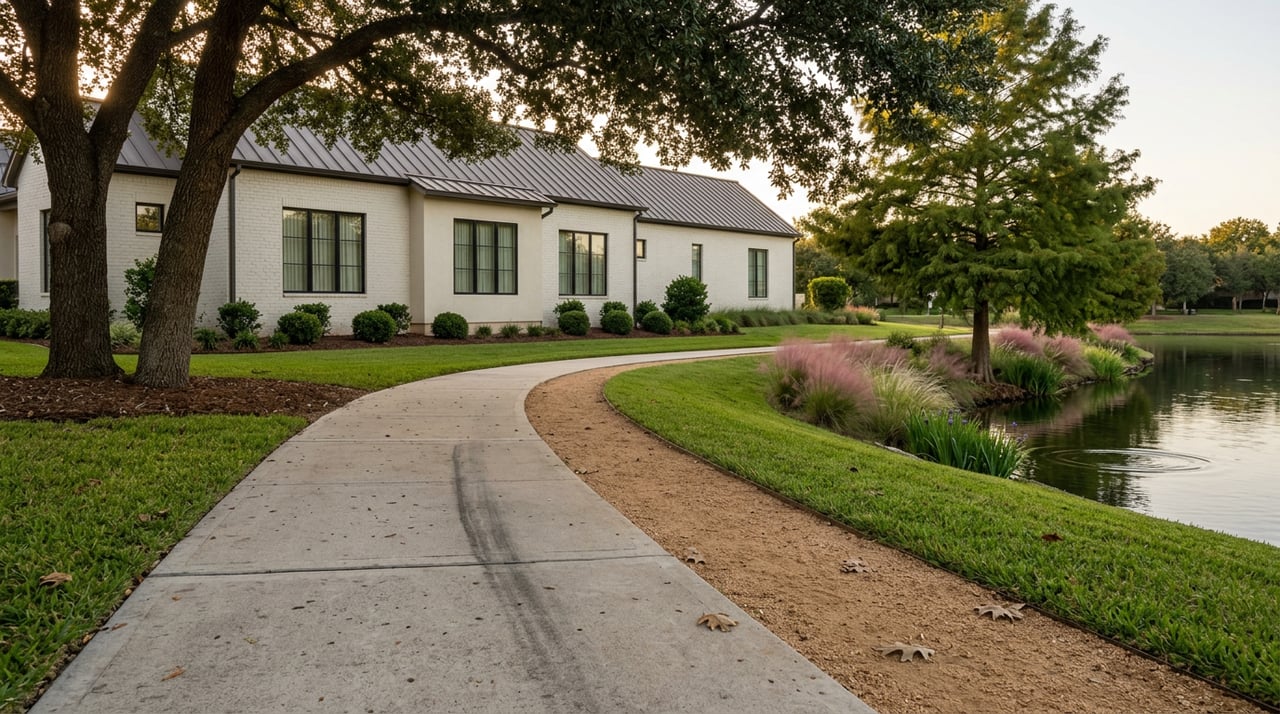
For move-up buyers, that history matters. Instead of a master-planned community built all at once, Tanglewood offers a mature, in-town setting with tree-lined streets and a more established residential character. If you want a prestige-oriented address with easier access to Houston’s urban core, that can be a strong draw.
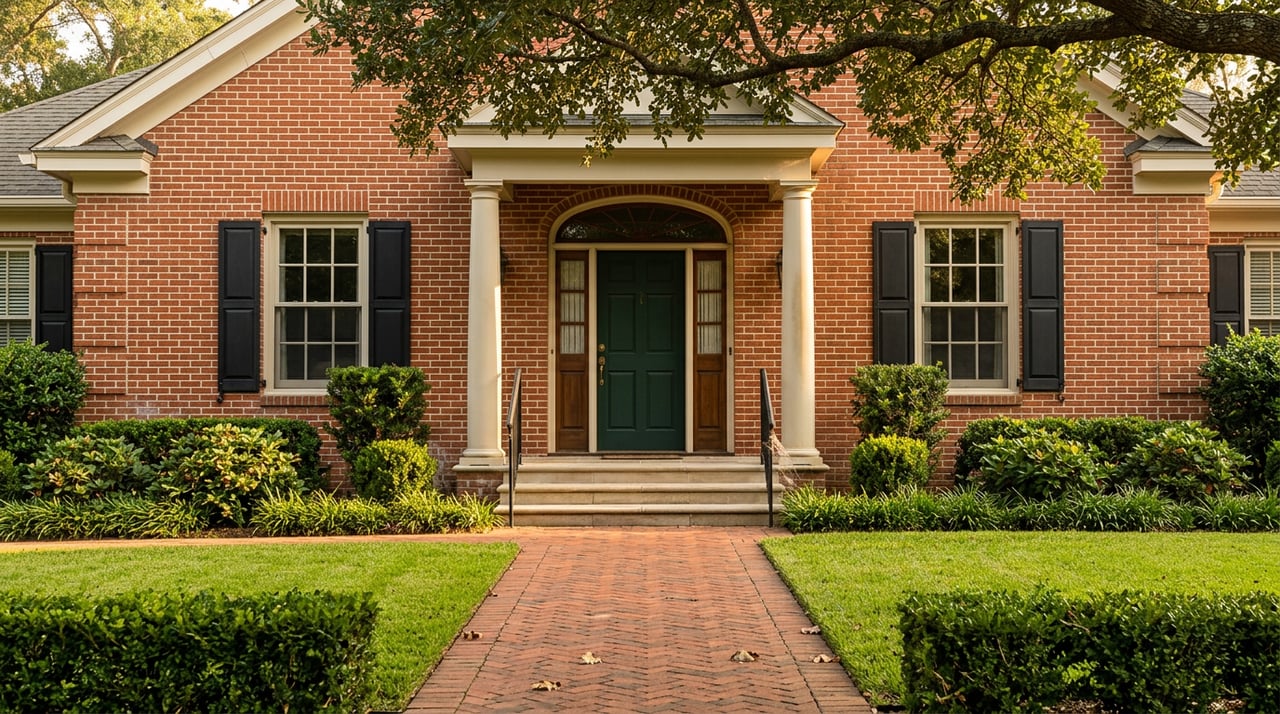
One of the biggest differences you may notice is the housing mix. Tanglewood became known for one-story ranch homes on large lots, often around 16,000 square feet, and over time many original homes have been replaced with larger updated two-story properties.
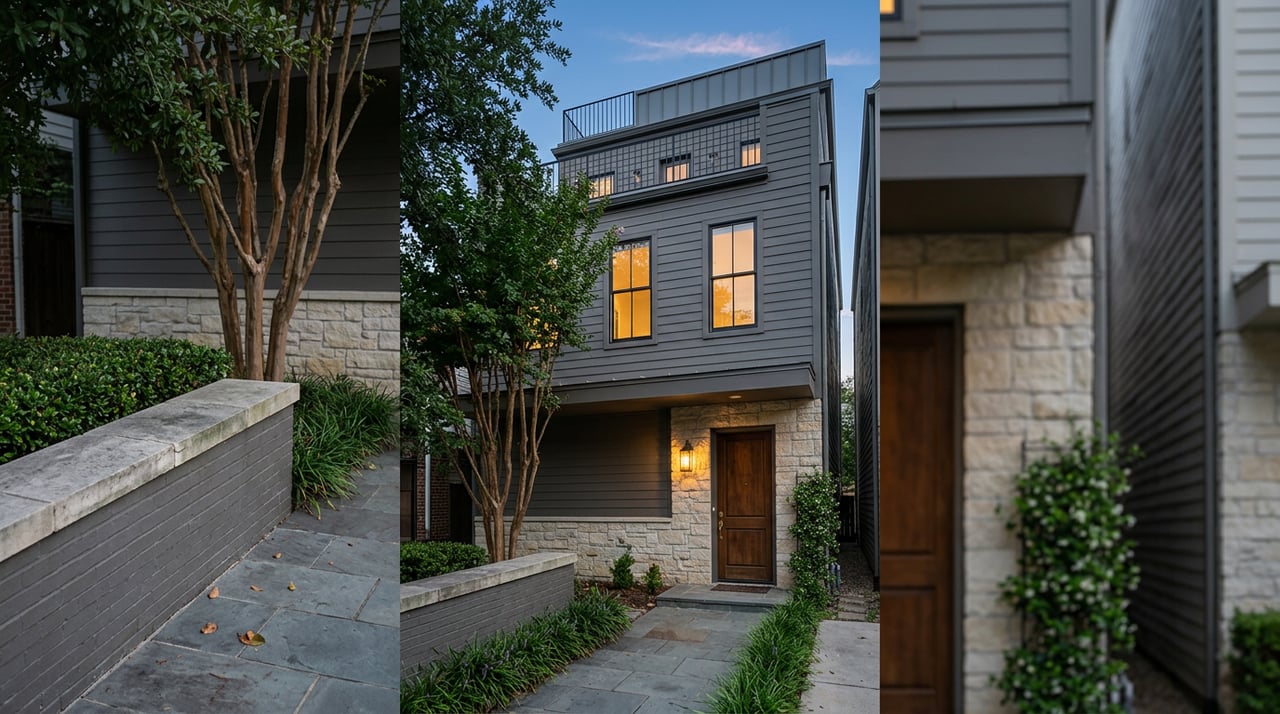
That means you are not shopping in a uniform neighborhood. You may see original postwar homes, renovated properties, and rebuilt custom residences on the same general stretch. For some buyers, that variety is part of the appeal because it gives the area a layered, established look rather than a same-model streetscape.
If you are moving from a suburban neighborhood where homes are newer but lots are tighter, Tanglewood’s historic lot pattern may feel like a meaningful upgrade. Larger homesites can allow for more yard space, broader setbacks, and a stronger sense of separation between homes.
Of course, lot sizes and home styles can vary by section and by property. Still, the neighborhood is historically associated with generous lots, which is one reason it continues to appeal to buyers looking for more room in a central Houston location.
In a newer suburban community, predictability is often part of the package. In Tanglewood, the visual experience is more mixed, with homes of different ages, sizes, and architectural styles.
That can be a positive if you value individuality and established character. It also means your home search may require a little more nuance, since two nearby properties can offer very different layouts, finishes, and long-term update needs.
Tanglewood is not simply an older neighborhood with large lots. It also has detailed deed restrictions that help shape the look and feel of the area.
According to the Tanglewood Homes Association, the rules address setbacks, roof and wall materials and colors, garage-door orientation, fence height and placement, driveway entry location, and signage. Exterior work generally requires approval, which creates a more hands-on framework than many buyers expect in a typical municipal neighborhood.
For some move-up buyers, this level of oversight is reassuring. It can help preserve a more polished and consistent streetscape, even in a neighborhood where the homes themselves vary widely in age and design.
For others, it may feel more structured than suburban living. If you like making exterior changes quickly or with fewer review steps, it is important to understand the approval process before you buy.
Life in Tanglewood is shaped less by a master-planned town center and more by its place within a major Houston district. Uptown Houston reports more than 28 million square feet of commercial office space and more than 6.3 million square feet of retail in the district, while the Galleria area includes more than 700 retailers within two square miles.
In practical terms, that means errands, dining, and shopping are close at hand. The tradeoff is that your daily routine is tied to one of Houston’s busiest commercial corridors rather than a quieter suburban pattern.
Memorial Park is one of the biggest lifestyle advantages near Tanglewood. The City of Houston says the park includes a 2.88-mile walking and jogging loop, tennis courts, a swimming pool, a fitness center, six miles of mountain and recreational bike trails, and a 300-acre golf course.
Memorial Park Conservancy says the park spans 1,500 acres and welcomes about 4 million visitors each year. If your current suburb requires a longer drive for major outdoor recreation, this kind of nearby access can reshape your weekly routine.
Uptown Houston notes that Post Oak Boulevard has pedestrian and trail connectivity reaching Memorial Park, along with local and regional transit connections. For buyers who want easier access to runs, rides, park visits, and short trips into Uptown, that connectivity can be part of the appeal.
This does not make Tanglewood feel like a small walkable town. It does, however, support a more connected in-town lifestyle than many outer suburban locations.
One of the clearest reasons suburban buyers consider Tanglewood is access. The City of Houston says three of Houston’s seven major employment centers inside Loop 610, Downtown, the Texas Medical Center, and Greenway Plaza, account for as many as 450,000 jobs.
Uptown Houston also describes itself as one of Houston’s major business districts. So if your work, client meetings, or day-to-day obligations pull you toward central Houston, Tanglewood can put you closer to those destinations than many suburban communities can.
There is an obvious tradeoff. Tanglewood benefits from a central location near major office, retail, and recreation hubs, but that also means more interaction with busy urban traffic patterns.
If you are used to suburban driving rhythms, this is an adjustment worth thinking through. The location can save time for some trips, but you should also expect the pace and congestion that come with one of Houston’s most active corridors.
If you are deciding whether Tanglewood fits your next chapter, it helps to compare the lifestyle shift directly.
| What You’re Weighing | Tanglewood | Typical Newer Suburb |
|---|---|---|
| Setting | Established in-town neighborhood | Master-planned or newer subdivision |
| Home styles | Mixed original, renovated, and rebuilt homes | More uniform home designs |
| Lot character | Historically large lots, often around 16,000 square feet | Often more standardized lot sizes |
| Oversight | Detailed deed restrictions and exterior approvals | Varies by HOA, often more predictable |
| Daily convenience | Close to Uptown retail, offices, and Memorial Park | Often centered on suburban retail corridors |
| Traffic pattern | More exposure to urban traffic | Usually less tied to major inner-loop congestion |
For many buyers, the decision comes down to priorities. If you want predictability, a newer suburban neighborhood may still fit best. If you want larger lots, a more established setting, and a central Houston lifestyle, Tanglewood can offer a compelling next step.
Tanglewood often makes sense for buyers who are ready for a move-up purchase and want more than just a bigger house. It can be a strong fit if you are looking for a neighborhood with long-term reputation, architectural variety, and easier access to major Houston destinations.
It may also appeal to relocating professionals who want a polished residential setting without committing to high-rise living. The neighborhood offers a more traditional single-family environment, but with many of the location benefits that come from being closer to Uptown and the inner loop.
Before making an offer in Tanglewood, it helps to look beyond square footage and finishes. In a neighborhood like this, the details of the lot, the home’s age and renovation history, and the applicable deed restrictions can all shape your experience.
A thoughtful home search should include:
When you review those factors together, you get a clearer picture of whether Tanglewood matches the lifestyle you want, not just the address you admire.
If you are moving in from The Woodlands, Memorial-area suburbs, Sugar Land, Cypress, or another suburban market, this kind of neighborhood-by-neighborhood guidance matters. A move into Tanglewood is not just a price-point change. It is a lifestyle shift, and it helps to have local advice that is specific, practical, and grounded in Houston experience.
If you are considering Tanglewood as your next move, Beth Wolff Realtors can help you compare homes, evaluate neighborhood fit, and navigate the transition from suburban living to a more central Houston address with confidence.
Stay up to date on the latest real estate trends.
September 24, 2026
September 17, 2026

September 10, 2026
September 3, 2026
August 27, 2026
August 20, 2026

August 13, 2026
August 6, 2026
August 6, 2026