Selling An Older West University Bungalow Thoughtfully
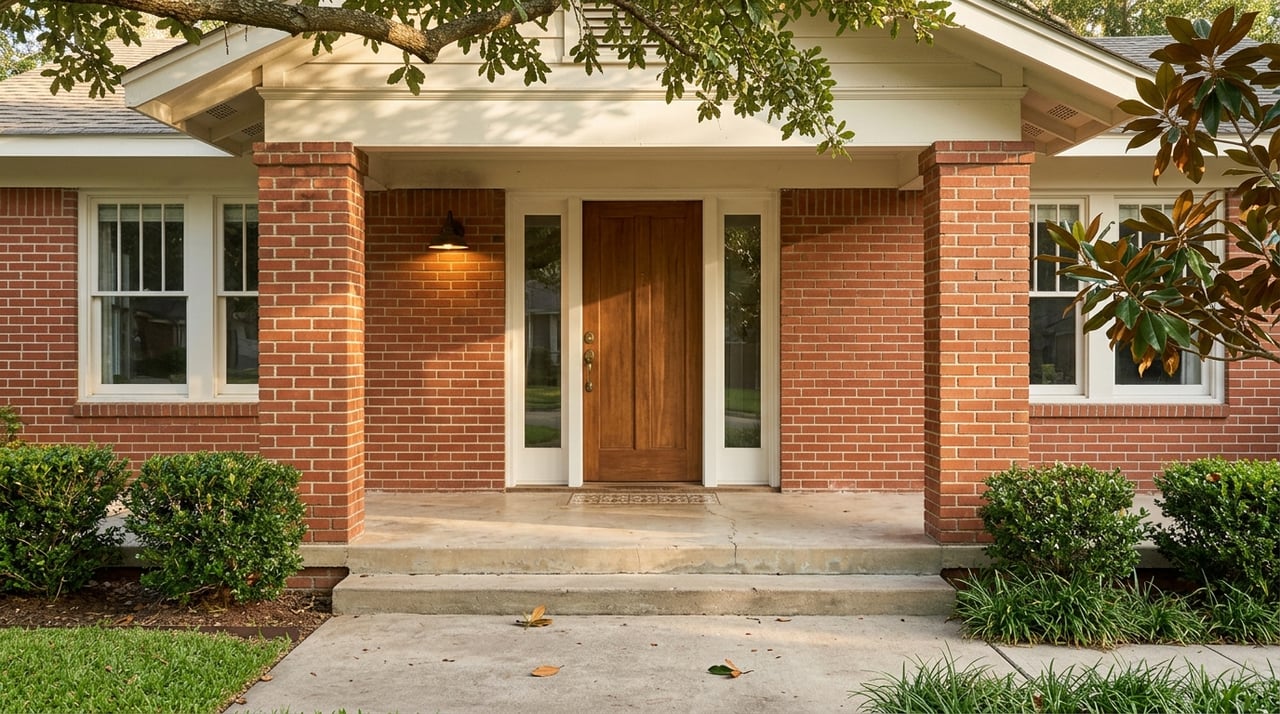
If you own an older bungalow in West University Place, you may be asking a bigger question than Should I sell now? In West U, the answer is rarely just about your kitchen, paint colors, or even square footage. Buyers often look at three things at once: how livable the home is today, how usable the lot is, and what the site could support in the future. That is why selling thoughtfully matters here. In this guide, you’ll see how to frame your home clearly, price it with local context, and decide whether updates are worth the effort before you list. Let’s dive in.
West University Place is a mature, largely built-out single-family area. According to the city’s comprehensive plan, many original homes were bungalows and cottages, and many have been replaced since the 1980s by larger custom homes.
That history still shapes today’s market. An older bungalow may appeal to a buyer who wants an existing home they can enjoy now, or to someone focused on the lot and long-term redevelopment potential. In West U, both paths can be valid.
Current pricing shows that West U remains a premium market, but it also shows why smart positioning is important. HAR’s June 2026 West University/Southside Area update reported 2.5 months of inventory, a median sold price of $1,988,424, and an average 23.6 days on market.
At the same time, Realtor.com’s June 2026 snapshot for West University Place showed 57 active listings, a median listing price of $2,041,500, and a median 35 days on market. Realtor.com also reported that homes sold for about asking price on average in June 2026, which is a strong reminder that pricing needs to be grounded in the market from day one.
Community Impact, citing HAR, reported an average West U sale price of $2.1 million, with new construction averaging $2.9 million and resale homes averaging $1.9 million. That gap helps explain today’s buyer pool. New homes command a premium, but resale homes still have a place in the market when they are presented and priced well.
In many neighborhoods, sellers focus mostly on the house itself. In West U, the lot can be just as important.
The city’s zoning code sets different minimum building-site dimensions by district. In the SF district, old building sites created before October 24, 1987 can be 50 feet wide, 100 feet deep, and 5,000 square feet, while new building sites generally require 75 feet by 110 feet and 8,250 square feet.
That means the age and legal history of your building site can affect how buyers view the property. A buyer comparing two older homes may not just compare finishes. They may compare width, depth, site status, and future building options.
West U’s code also says a building site must consist of whole subdivided lots under common ownership. Because of that, neighboring parcels and the possibility of assembling land can matter when a buyer is thinking about expansion or a teardown and rebuild.
For you as a seller, this means your marketing story should not stop at the front door. The lot dimensions, site history, and redevelopment possibilities may all influence value, especially for buyers looking long term.
Many sellers assume a few pre-sale improvements will be easy. In West U, that is not always the case.
The city says you may not erect, enlarge, alter, repair, move, improve, remove, install, convert, or demolish a building or structure without the appropriate permit. Its plan review process says more complex projects, such as remodels and additions, typically take about 10 to 15 business days for review, and work requiring permits cannot begin until the permit is issued.
The permits page also lists activities such as HVAC work, plumbing, roof repairs, fences, pools, demolition, and tree removal among items that may require permits. In practical terms, even a project that seems modest can become more involved than expected.
Trees are a major consideration in West U. The city requires tree-disposition approval before permits can be issued for development that could affect large trees, and tree-removal rules apply to certain trees at 10 or 12 inches in diameter depending on the context.
Replacement planting or other mitigation may also be required. If your update plan includes exterior work, drainage changes, additions, or anything that could affect the site, tree review may become part of the process.
Floodplain rules also matter when you are weighing renovations. West U says all development in the floodplain requires a permit.
The city also says substantially damaged or improved structures that reach or exceed 50% of the building’s market value must obtain permits and elevation certificates and meet the same standards as new construction. In addition, new and substantially improved structures must be built at least two feet above base flood elevation.
Most mapped floodplain in West U is near Poor Farm Ditch, according to the city, and the effective FIRMs date to June 18, 2007. If your property is in or near a mapped floodplain, even a well-meant renovation plan may need a closer review before you commit time and money.
In West U, the easiest pre-sale improvements are usually the ones that are truly cosmetic and do not trigger structural, floodplain, tree, or broader site review. Larger projects may still make sense, but they should be evaluated carefully against timing, permit complexity, and likely return.
A thoughtful seller usually benefits from asking three questions first:
If the answer is unclear, the safer move may be to focus on presentation instead of construction.
Recent local reporting suggests West U buyers are responding to a clean, updated look that feels modern without being stark. A 2026 Community Impact feature said buyers are gravitating toward lighter-toned wood floors, quartz countertops, cleaner cabinetry, mixed metals, and first-floor bedrooms.
That same report also noted that homes with those traits tend to sell quickly. Just as important, it said both renovated and non-updated homes are still selling.
For an older bungalow, that is encouraging. You do not need to turn the home into new construction to compete. You do need to present a believable value story.
In West U, buyers often sort homes into a few clear categories. Some want a comfortable resale home with charm and function. Others want a lot they can hold, expand, or redevelop over time.
Your home will usually perform better when it is marketed to the right audience from the start. Mixed signals can weaken buyer confidence.
A thoughtful listing strategy often centers on one of these value layers:
Some properties speak to more than one group, but the presentation should still feel clear. Buyers respond best when the home’s strengths are easy to understand.
For many older homes, thoughtful presentation matters more than ambitious renovation. Clean interiors, light-filled rooms, simple styling, and a tidy site can help buyers see either immediate livability or future possibility.
That kind of polish is especially important in a market where newer homes often set the visual standard. A well-prepared older bungalow can still stand out when it feels cared for, well explained, and correctly priced.
Because homes in West U may attract different types of buyers, pricing should reflect more than condition alone. You are not only comparing your home to freshly built houses or fully renovated resales. You are also competing for attention among buyers who may assign significant value to the lot.
That is one reason overpricing can be costly. Realtor.com’s June 2026 data suggests homes sold for about asking price on average, which points to the value of getting the number right early rather than leaving room for a large correction later.
Thoughtful pricing usually considers:
In a market where resale homes and new construction can sit in very different price bands, a clear pricing strategy can help you attract the right showings and stronger offers.
Selling an older bungalow in West University Place is rarely a one-note process. It can involve lot history, zoning context, permits, trees, floodplain review, presentation choices, and careful pricing.
That is why local, detailed guidance matters. The goal is not simply to list the home. The goal is to understand which value story is most credible for your property, then bring it to market with clarity and care.
If you are thinking about selling an older West U bungalow, a personalized strategy can help you avoid unnecessary work, focus on what buyers actually value, and move forward with confidence. To start that conversation, connect with Beth Wolff Realtors.
Stay up to date on the latest real estate trends.
October 22, 2026
October 15, 2026
October 8, 2026
October 1, 2026
September 24, 2026
September 17, 2026

September 10, 2026
September 3, 2026
August 27, 2026