Selling an Older Home in Hunters Creek Village
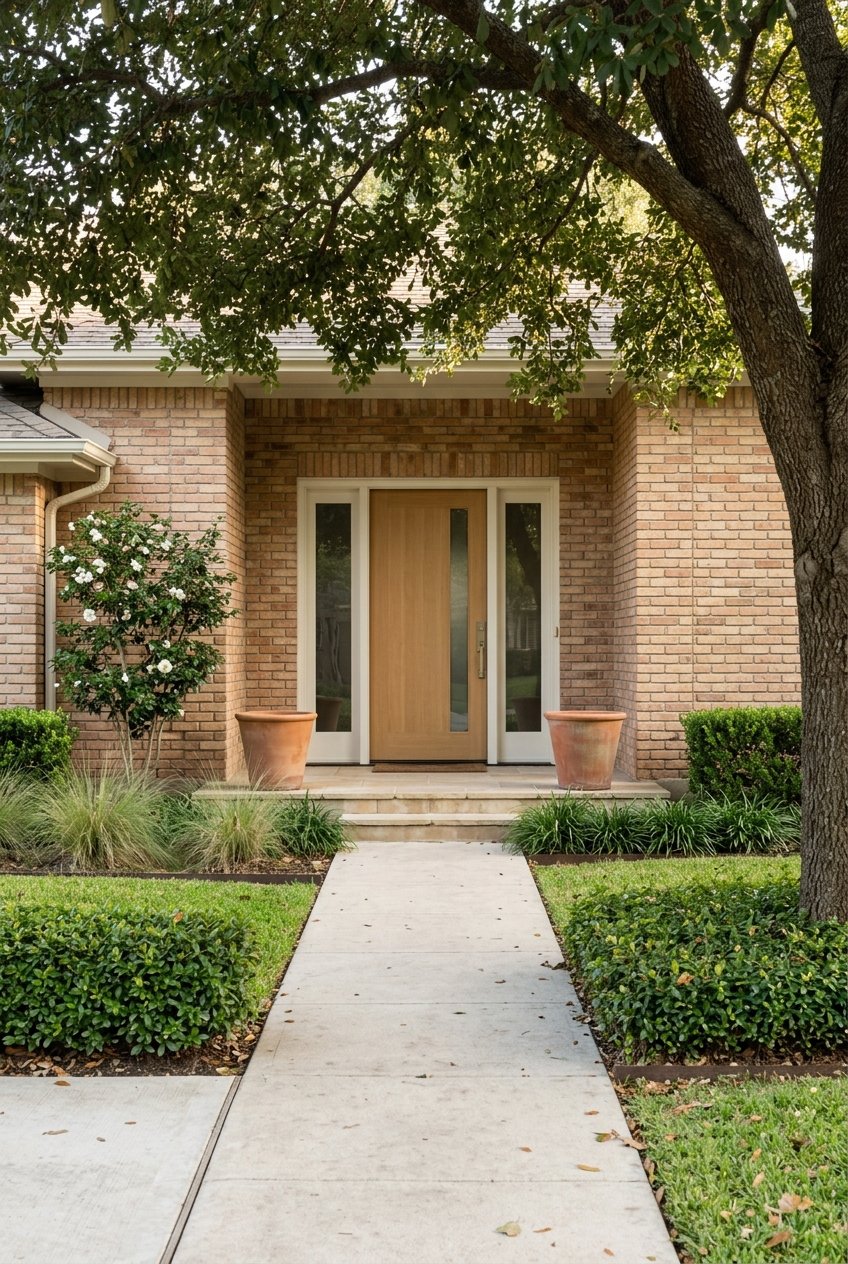
If you are preparing to sell an older home in Hunters Creek Village, the goal is not to erase its history. The goal is to present it as carefully maintained, easy to understand, and ready for a buyer to step into with confidence. In a small, high-value market where condition and presentation carry real weight, thoughtful preparation can shape how buyers view both the home and the asking price. Let’s dive in.
Hunters Creek Village is a small, established city with about 4,400 residents and roughly 1,460 homes across 2 square miles. Census data also points to a high-value housing market, with a median owner-occupied home value of $2,000,001. In a market like this, buyers tend to look closely at upkeep, documentation, and signs that a home has been responsibly cared for.
That is especially true for older homes. Buyers often appreciate original character and solid construction, but they still want reassurance that the property functions well today. If your home feels clean, bright, maintained, and well explained, you are more likely to create trust from the start.
Before you choose paint colors or bring in staging, focus on the home’s actual condition. For an older Hunters Creek Village property, the first questions are usually practical ones. Does everything work as it should, and is there a clear record of care?
A pre-listing inspection is often worth considering. According to NAR, sellers can use a pre-listing inspection to better understand the home’s condition and address issues before a buyer’s inspection happens under contract. That can help reduce surprises later, when renegotiation pressure is higher.
A pre-listing inspection may help you identify issues such as:
You may not need to fix every item. But knowing what exists lets you make smarter decisions about repairs, pricing, and disclosure.
In Hunters Creek Village, improvement planning is not just about design and budget. It can also involve local permit requirements. The city lists permits for remodeling, drainage, driveway work, fence and gate work, generators, pools and spas, and tree work.
The city also states that all new construction and major remodels require a pre-construction meeting with the Building Official before plan submittal or at the time of submittal. If you are thinking about larger pre-sale projects, it is wise to confirm early whether your scope triggers city review.
Hunters Creek Village maintains a stormwater management program focused on flood control and runoff quality. Harris County also requires floodplain development permits for work in the floodplain, and a finished-floor elevation certificate is necessary for structures in mapped special flood hazard areas.
For some sellers, this means a drainage fix, grading change, or exterior improvement may need more review than expected. It is smart to check floodplain, floodway, ponding, and watershed information before starting work, especially if your home has had prior drainage concerns.
One of the biggest mistakes sellers make with older homes is spending too much in the wrong places. You do not always need a full renovation to compete well. In fact, many buyers expect to personalize a home after closing.
NAR found that 51% of respondents saw an increase in buyers planning to remodel a home over the last five years, and a median 25% of those buyers remodel within the first three months. That supports a practical strategy: fix what creates doubt, refresh what feels tired, and avoid expensive choices that a buyer may replace anyway.
For many older homes, these updates do more to support value than highly personalized design projects.
Older homes often have comfort and efficiency issues that buyers notice right away, even if they cannot name the cause. A room that feels drafty, hot, or unevenly cooled can leave the impression that the home needs more work than it really does.
The U.S. Department of Energy says insulation lowers heating and cooling costs and improves comfort, and older homes may have insulation levels below current recommendations. That makes attic and envelope improvements worth a look, especially if your home has rooms that feel harder to heat or cool.
Windows are another common issue. DOE says windows account for 25% to 30% of residential heating and cooling energy use. If your existing windows are in good condition, DOE notes that improving efficiency through caulk, weatherstripping, storm windows, window coverings, or shading may be more cost-effective than replacing them outright.
Before investing in major replacements, consider whether you can:
These are not always flashy upgrades, but they can improve how the home feels during a showing.
Older Hunters Creek Village homes often have details that buyers still value, such as mature landscaping, generous room sizes, quality millwork, or strong architectural bones. If those elements are in good condition, they should not be hidden or stripped away just to chase current trends.
Instead, the better strategy is often to keep what still reads as high quality and pair it with a cleaner, lighter, more neutral presentation. That helps buyers appreciate the home’s character without feeling distracted by maintenance issues, visual clutter, or overly personal design choices.
When buyers can see the home clearly, they are more likely to focus on space, function, and potential.
Staging does not have to mean filling the house with new furniture. It means helping buyers understand the scale, purpose, and flow of each space. NAR’s staging research found that 81% of buyers’ agents said staging made it easier for buyers to visualize the property as a future home.
The same research found that 20% of buyers’ agents saw staging increase the dollar value offered by 1% to 5%, while 14% of sellers’ agents reported increases of 6% to 10%. For sellers, that makes staging less about decoration and more about reducing uncertainty.
NAR reports that the rooms staged most often are:
In an older home, those spaces often shape a buyer’s impression of the entire property. If they feel bright, calm, and functional, the rest of the house tends to land better too.
When time or budget is limited, it helps to focus on the prep steps that most often improve showing quality. NAR reports that the most common seller-side recommendations are decluttering, whole-home cleaning, removing pets during showings, paint touch-ups, painting walls, depersonalizing, and landscaping the outdoor area.
That list is useful because it confirms something many sellers overlook. Buyers respond strongly to cleanliness, simplicity, and ease, even in luxury price ranges.
Before listing, work through items like these:
None of this is glamorous. All of it helps a home feel more cared for.
In Texas, sellers of previously occupied single-family residences are generally required to provide a Seller’s Disclosure Notice. The current TREC Seller’s Disclosure Notice form 55-1 became effective May 28, 2026 and covers material facts and the physical condition of the property under Texas Property Code Section 5.008.
For an older home, this makes documentation especially important. If you have repair invoices, warranties, service records, permit records, drainage work details, or improvement dates, gather them before the home goes live. Strong records can support credibility and make disclosure preparation more complete.
Federal law generally requires lead-based paint disclosure for pre-1978 homes, along with a lead hazard pamphlet and a 10-day period for a buyer inspection or risk assessment. The EPA also warns that renovation, repair, or painting work that disturbs painted surfaces in pre-1978 homes can create dangerous lead dust.
If you are doing prep work on an older home, make sure any paid renovation, repair, or painting work that disturbs painted surfaces follows applicable lead-safe requirements. This is one more reason to plan improvements carefully before listing.
When a buyer walks through an older home in Hunters Creek Village, they are usually asking a quiet set of questions. Has this home been maintained? Will I inherit hidden projects? Can I move in comfortably and make changes over time?
Your job as a seller is to answer those questions before they are even spoken. A home that is clean, functional, lightly refreshed, and well documented often feels more valuable than one with expensive but inconsistent updates.
The best outcome is not a home that feels newly built. It is a home that feels honest, polished, and ready. In Hunters Creek Village, older homes often perform best when sellers protect the property’s character, address visible and functional issues, and present the home with clarity and restraint.
If you are weighing what to repair, what to leave alone, and what will actually matter to buyers in this market, local guidance can make the process much easier. For thoughtful, high-touch support tailored to your home and timeline, connect with Beth Wolff Realtors.
Stay up to date on the latest real estate trends.

October 22, 2026
October 15, 2026
October 8, 2026

October 1, 2026
September 24, 2026
September 17, 2026

September 10, 2026
September 3, 2026
August 27, 2026