Piney Point Village Lot Sizes and Building Potential
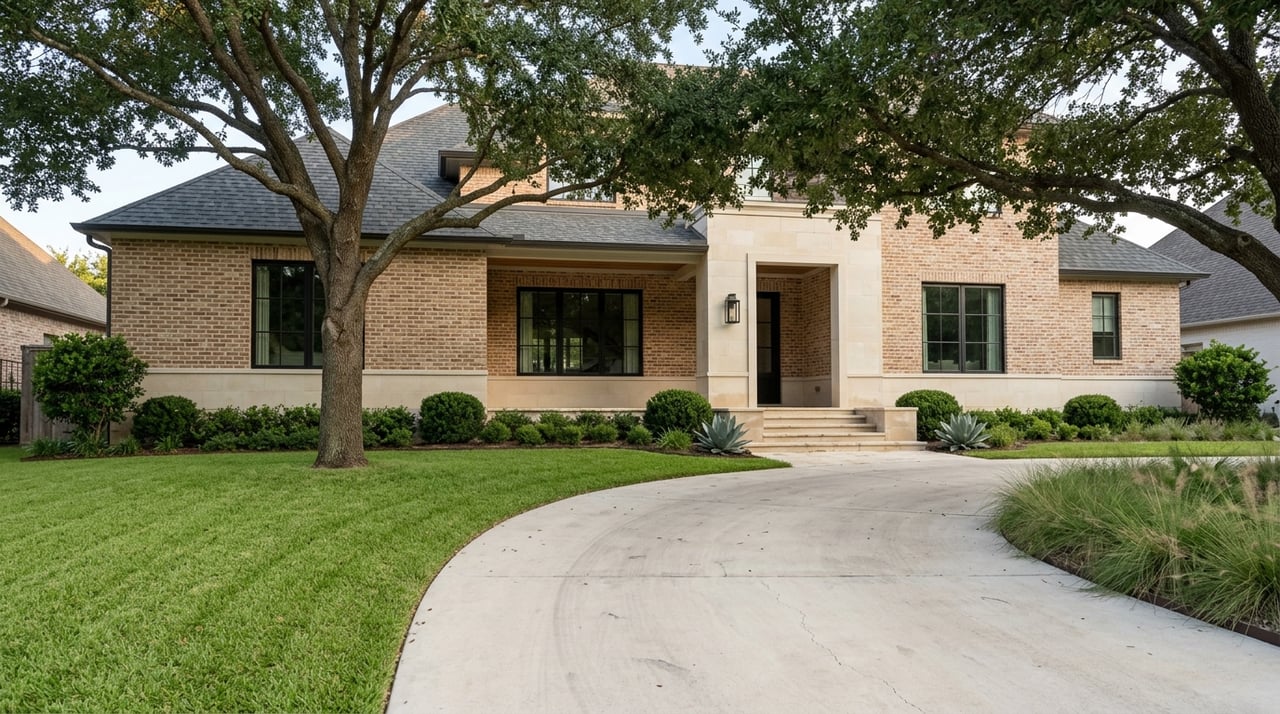
Choosing a lot in Piney Point Village is not just about square footage. It is about what that land can realistically support once you factor in zoning, setbacks, tree preservation, and site layout. If you are weighing a purchase, planning a remodel, or considering a teardown and new build, understanding those rules early can save time and help you make a more confident decision. Let’s take a closer look at how lot sizes and building potential work here.
Piney Point Village is a small residential city in west Houston that covers about 2.1 square miles and had 3,128 residents in the 2020 census. The city describes itself as primarily single-family residential, with quiet tree-lined neighborhoods, preserved green space, and zoning intended for low-density development.
That setting shapes the real estate market in a big way. In Piney Point Village, the lot often carries as much long-term value as the home itself, especially when buyers are comparing renovation potential, privacy, and future building options.
The current zoning code sets the conforming minimum lot size at 40,000 square feet. It also requires at least 100 feet of width at the front building line and 100 feet of average depth.
That baseline is one reason Piney Point Village often feels more like an estate-lot market than a typical subdivision. Many properties offer a sense of space that is harder to find in other close-in Houston locations.
Not every lot you see on the market will match the current conforming standard. The code allows some legally established nonconforming lots under grandfathering rules, which means a parcel smaller than 40,000 square feet may still be buildable or usable under certain conditions.
That is why raw acreage alone does not tell the whole story. If you are looking at a smaller lot, you will want to confirm its legal status and plat history early in the process.
Recent listings show a wide range of lot sizes in Piney Point Village. Examples in the market have included properties on about 40,560 square feet, 1.056 acres, 1.53 acres, and 77,010 square feet, along with at least one smaller lot-value listing at 38,677 square feet.
Those examples show how varied the housing stock can be. Some parcels are marketed mainly for land value and redevelopment, while others support existing homes that may be candidates for renovation, expansion, or long-term hold.
In a market like Piney Point Village, buyers often look beyond the current house. A large lot with the right dimensions, manageable tree constraints, and a workable building envelope may offer stronger flexibility for future plans.
That flexibility can support different paths. You may decide to update an existing home, expand it over time, or build new, depending on the site and the city requirements.
Even on a large lot, not every square foot is available for construction. Piney Point Village zoning rules shape the effective building envelope through setbacks, height limits, and lot coverage rules.
If you are comparing lots, these details matter as much as total size. Two properties with similar acreage can offer very different building potential.
Typical yard setbacks are:
Some cul-de-sac lots may have a 25-foot front setback, and the code includes a few street-specific legacy exceptions. Overhangs into required yards are limited to 36 inches.
The city caps building height at 35 feet above natural grade. There can be a flood-compliance adjustment if the first floor must be raised.
For buyers, this means a tall design still has to work within a defined framework. Roofline plans, second-story massing, and elevation changes should all be reviewed carefully.
One of the most important rules in Piney Point Village involves coverage. The ordinance limits the building area, excluding driveways and uncovered walkways, to 30 percent of lot area.
It also limits the total of structures plus impervious surfaces to 50 percent of lot area. That second rule is especially important because it pulls more than the house into the equation.
Driveways, motor courts, patios, and other hardscape features can reduce the room left for other improvements. On paper, a lot may look generous, but the final design still has to balance the home footprint, parking, outdoor living areas, and drainage needs.
This is why site planning matters from the start. In Piney Point Village, outdoor design is not just a finishing touch. It is part of the capacity calculation.
Mature trees are a defining feature of Piney Point Village, and the city actively protects them. A permit is required to remove any live tree 3 inches or larger in diameter, measured at 4 feet 5 inches above grade.
The city also requires a tree survey signed by a degreed forester, a site plan showing the proposed construction, and tree-protection fencing before removals. Piney Point Village has also been recognized as a Tree City for 14 years, which reflects how strongly tree preservation is built into local planning.
The city’s help sheet sets replacement density at one tree per 2,000 square feet of lot area. At least 25 percent of replacement trees must be placed within 20 feet of the property perimeter.
For a heavily wooded lot, this can affect where you place an addition, pool, garage, or driveway. In real terms, the tree survey becomes more than a permit item. It becomes a design tool.
Lot size is important, but lot shape can be just as important. The subdivision rules require lots to support easements, on-site parking, and direct vehicular access.
The rules also allow key or flag lots only when minimum size standards are still met and no portion is narrower than 50 feet. That means awkward geometry can reduce flexibility even when the total square footage looks appealing.
Another detail to watch is how lot area is counted. The subdivision code says private street right-of-way does not count toward lot size or building location.
That can be a meaningful distinction when you are evaluating a listing. A site may appear large in marketing materials, but the usable area for zoning purposes can be different.
Piney Point Village can support both. Some lots are strong candidates for renovating an existing home, while others are clearly positioned as lot-value opportunities for new construction.
The right path depends on the lot’s legal status, dimensions, tree constraints, and how much of the site remains usable after setbacks and coverage limits are applied. A newer house on a conforming lot may offer a straightforward ownership experience, while an older home on a prime parcel may appeal more to someone planning a custom build.
In general, the easiest new-build candidates tend to have:
If a lot falls below 40,000 square feet, the key question becomes whether it is a legally nonconforming parcel with grandfathered status.
If you are evaluating land value or building potential in Piney Point Village, it helps to verify a few things before you get too far down the road.
A careful review early on can help you avoid surprises after closing.
The city’s permitting page also notes that drainage, plat, and right-of-way requests are uploaded to the city website, plan submissions are by appointment only, and tree and tree-protection inspections are scheduled on Tuesdays and Thursdays. Those process details matter when you are deciding between a quick renovation and a more complex construction timeline.
In Piney Point Village, the difference between a promising lot and a frustrating one often comes down to details that are easy to miss at first glance. A property may look ideal based on acreage alone, but the real story is in the building envelope, the trees, the access, and the parcel history.
When you have experienced guidance, you can evaluate those factors earlier and make stronger decisions about pricing, negotiation, and long-term fit. That is especially valuable in a market where land characteristics often drive value.
Whether you are buying for today, planning a future custom home, or preparing to sell a property with lot-value appeal, working with a team that understands Houston’s close-in estate markets can make the process feel far more clear. If you would like tailored guidance on Piney Point Village properties, connect with Beth Wolff Realtors for a personalized consultation.
Stay up to date on the latest real estate trends.
October 15, 2026
October 8, 2026
October 1, 2026
September 24, 2026
September 17, 2026

September 10, 2026
September 3, 2026
August 27, 2026
August 20, 2026